


-

Add: HeBei ShengShi HongBang Cellulose Technology CO.,LTD.
-

Email
13180486930@163.com -

CONTACT US
+86 13180486930
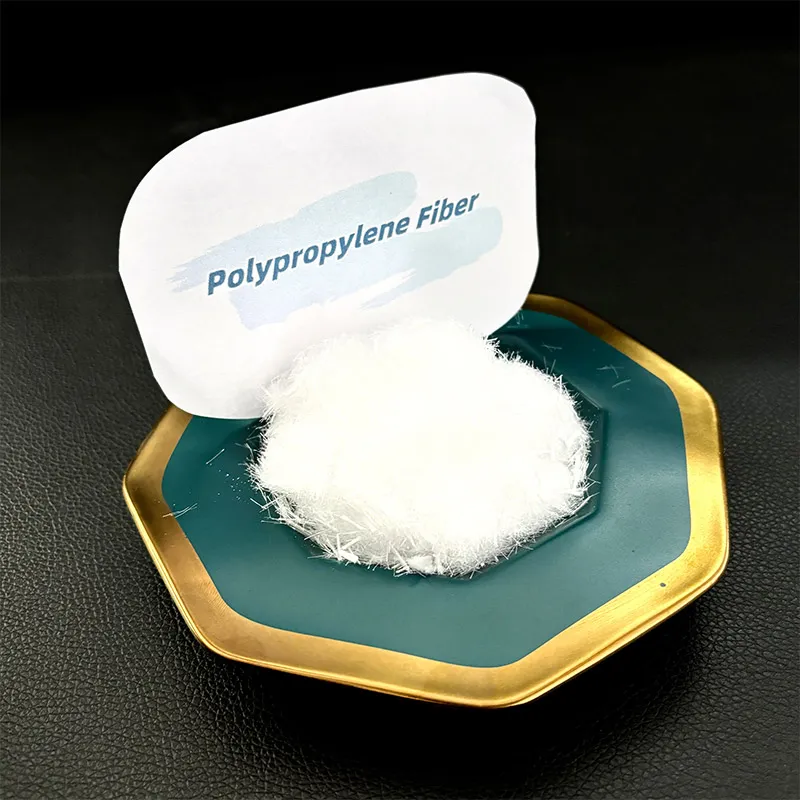



Polyolefin fibers, an essential component in the textile and manufacturing industries, have significantly gained attention due to their versatile applications and superior qualities. These fibers, derived from polymers such as polypropylene and polyethylene, offer a unique combination of properties that cater to numerous industrial needs, enhancing both product performance and durability. One of the most significant advantages of polyolefin fibers is their exceptional resistance to moisture. This property makes them an ideal choice for outdoor applications, where exposure to environmental elements like rain and humidity can quickly degrade other materials. For instance, agricultural fabrics designed to protect crops from the elements heavily rely on polyolefin fibers due to their robust water-repellent characteristics, ensuring longevity and consistent performance across seasons. Moreover, the high tensile strength of polyolefin fibers contributes importantly to their value in various industries. Their ability to withstand considerable stress without breaking or deforming makes them suitable for manufacturing high-strength ropes, fishing nets, and even geotextiles used in construction projects. This inherent strength not only extends the lifespan of the products made from these fibers but also enhances their reliability in critical applications, where failure is not an option. A prominent feature of polyolefin fibers is their inherent resistance to chemical attacks. This characteristic is particularly beneficial in environments where exposure to harsh chemicals or solvents is a concern, such as in industrial filtration systems or packaging materials. Products made from polyolefin fibers do not easily degrade when in contact with chemicals, ensuring both product integrity and safety over time. In the arena of sustainability, polyolefin fibers present a commendable profile. They are fully recyclable and contribute less to the overall carbon footprint compared to some other synthetic fibers. Their production process, largely driven by advances in polymer technology, has become more energy-efficient, allowing manufacturers to produce these fibers with reduced environmental impact. This aspect of sustainability positions polyolefin fibers favorably among environmentally conscious businesses aiming to incorporate more eco-friendly materials into their product lines. polyolefin fiber The light-weight nature of polyolefin fibers is another enticing benefit, leading to two major advantages—ease of handling and reduced transportation costs. Their low density results in lighter end products, which is particularly beneficial for applications in the automotive and aerospace industries, where weight reduction translates to improved fuel efficiency and performance. Polyolefin fibers thus contribute to overall cost savings , benefiting both manufacturers and end consumers. While the advantages are clear, incorporating polyolefin fibers into applications requires careful consideration of certain technical properties. Polyolefin fibers have a relatively low melting point compared to other synthetic fibers, which can be a limiting factor in high-temperature applications. However, this limitation is often addressed in innovative ways by blending polyolefin fibers with other materials or using them in environments where their low thermal resistance is not an issue. The expertise and authority of polyolefin fiber production have been greatly advanced by leading companies and research institutions globally. Their focus remains on refining the production processes and enhancing the fiber’s properties to meet the ever-evolving demands of the market. Extensive research and development activities ensure these fibers remain at the forefront of innovation, maintaining their status as a reliable and versatile material choice. Trustworthiness in the field of polyolefin fibers is further reinforced by strict compliance with international standards and certifications, which oversee the quality and environmental impact of these materials. Reputable manufacturers provide comprehensive data and transparency about their products, allowing consumers to make informed decisions based on verified performance metrics. In conclusion, polyolefin fibers represent a remarkable blend of performance, durability, and sustainability, making them indispensable across a variety of industrial sectors. Their distinctive properties provide tangible benefits, from extending product life to reducing environmental impacts, ensuring that polyolefin fibers will continue to be a material of choice for innovative solutions well into the future.
- 40000tons

Production
- 20+years

Experience
- 5000+㎡

Acreage

-

Monofilament polypropylene fiber, a remarkable advancement in the field of construction materials, serves as a pivotal component in modern infrastructure and industrial applications. Renowned for its unparalleled properties, these fibers have marked profound transformations across various domains, leveraging their superior quality, durability, and versatility. Polypropylene, a polymer-based material, formulates the foundation of these fibers, infusing them with characteristics that withstand stringent environmental conditions. Engineered for precision, monofilament fibers exhibit exceptional tensile strength and resistance to moisture, chemicals, and abrasion. This strength and resilience stem from meticulous manufacturing processes that align with rigorous industry standards, ensuring optimal performance in demanding situations. Industrial experts acknowledge the unique benefits of incorporating monofilament polypropylene fibers into concrete. One of the primary advantages is the enhancement of concrete's structural integrity. When mixed with concrete, these fibers intersperse evenly, preventing defects such as cracking, shrinking, and structural weaknesses that typically occur due to environmental changes or mechanical stresses. The fibers act as reinforcements, distributing stress across the structure, thereby enhancing its longevity and reducing maintenance costs over time. Incorporating monofilament fibers in construction projects has been validated by numerous case studies. For instance, highway infrastructures subjected to extreme weather conditions have shown significant improvements in durability and wear resistance with these fibers. Construction specialists have observed reductions in crack formations and increased tensile strength, demonstrating real-world applications where monofilament polypropylene fibers contribute effectively to extending the lifespan of concrete constructs. The environmental impact of construction practices necessitates a shift towards sustainable solutions. Monofilament polypropylene fibers support this transition by minimizing the dependency on traditional reinforcement materials like steel mesh or rebar . With a lower carbon footprint during production and application phases, they offer an eco-friendly alternative, aligning with global initiatives to reduce greenhouse gas emissions and preserve natural resources. Quality and safety standards upheld in the production of these fibers play a crucial role in establishing their credibility. Manufacturers adhere to strict guidelines to produce fibers that are consistent in size and performance, ensuring reliability across different applications. Their continued evolution is marked by innovations aiming to enhance efficiency and adaptability in various environmental conditions, further solidifying their position in the market as a trusted material for reinforcement. monofilament polypropylene fiber The versatility of monofilament polypropylene fibers extends beyond traditional construction applications. They find prominence in contemporary architectural designs that emphasize sustainability without compromising on aesthetic appeal. Lightweight yet formidable, these fibers enable architects and designers to explore innovative designs by allowing flexibility in form and surface finish. Moreover, monofilament polypropylene fibers are indispensable in specialized applications such as the construction of water-resistant structures, including swimming pools, water tanks, and marine constructions. The fibers’ inherent resistance to microbial growth and chloride ion penetration enhances the longevity and safety of such structures, proving essential in maintaining hygienic standards and reducing maintenance expenses. In agricultural and geotechnical engineering, these fibers are instrumental in erosion control projects, where they reinforce soil and provide stability to landscapes subject to erosion forces. Their application not only ensures the structural integrity of agricultural lands and geotechnical projects but also contributes to sustainable land management practices, promoting environmental conservation and land preservation. The trustworthiness of monofilament polypropylene fibers is reinforced by endorsements from leading civil engineering associations and their compliance with international standards in construction and safety. Industry professionals gravitate towards their use due to comprehensive research and data backing their effectiveness and efficiency. To ensure continued advancements in infrastructure, experts advocate for ongoing research and integration of new technologies that can complement the attributes of monofilament polypropylene fibers. Collaboration between industry, academia, and research institutions will play a crucial role in exploring novel applications and enhancing the effectiveness of these fibers in forthcoming projects. In conclusion, monofilament polypropylene fiber represents a significant leap toward innovative and sustainable construction practices. Its multifaceted benefits, underpinned by expert validation and environmental advantages, herald a new era where the construction industry can meet modern challenges through durable, reliable, and ecologically responsible solutions. These fibers not only stand as a testament to engineering excellence but also reinforce the future of infrastructure development on a global scale.
-

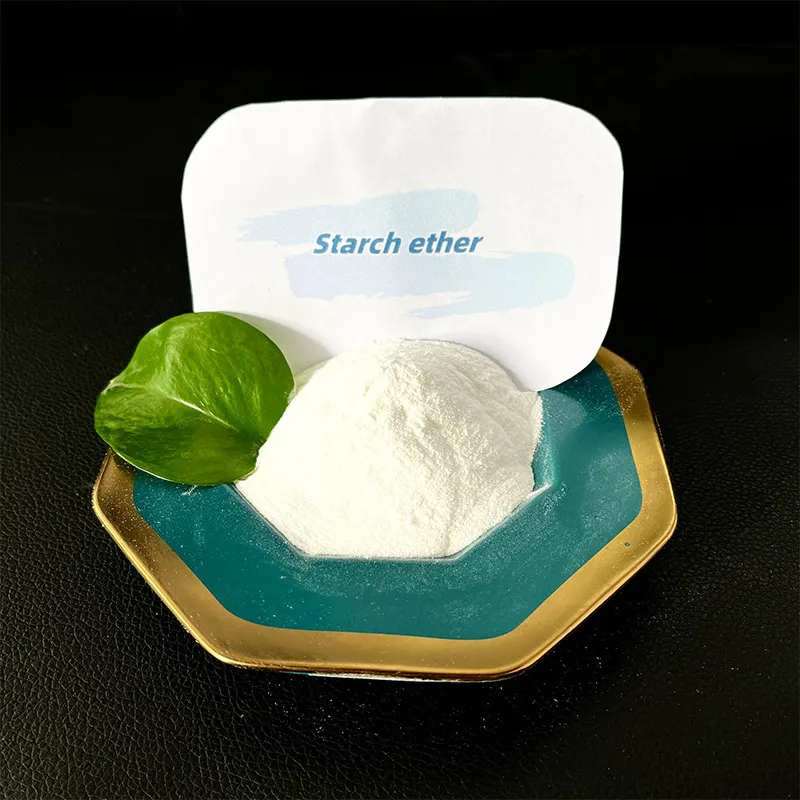
In today’s industrial and personal care sectors, raw materials must deliver more than just functionality—they must offer versatility, cost-efficiency, and environmental compatibility. Among these materials, modified starch types have gained prominence for their wide-ranging applications in construction, coatings, adhesives, and cosmetic formulations. Unlike native starches, modified starches undergo physical, enzymatic, or chemical treatments that enhance their stability, solubility, and performance under different environmental conditions. There are various modified starch types used in industry: oxidized starch, cationic starch, hydroxypropyl starch, and crosslinked starch, among others. Each type offers distinct properties that suit different use cases. For example, oxidized starch is valued in the paper and textile industry for its improved film-forming ability, while cationic starch is favored in wastewater treatment and as a retention aid. Hydroxypropyl starch shows excellent compatibility with surfactants and is widely used in the personal care sector for thickening shampoos and conditioners. In the construction field, modified starch types act as efficient water-retention agents, rheology modifiers, and anti-sagging agents, especially in dry-mix mortars and tile adhesives. The ability of modified starches to control workability and enhance adhesion makes them indispensable for ensuring product performance in various environmental conditions. What sets modified starches apart is their adaptability. Whether incorporated into a facial mask formulation or a cementitious compound, the same base material can be engineered to meet highly specific application goals. Their bio-based origin also contributes to sustainability goals, making them increasingly relevant in today’s environmentally conscious market. Starch Ether: A Functional Additive Transforming Construction Materials Among the modified starch types , starch ether stands out as one of the most valuable derivatives for the construction industry. It is primarily used as a thickener, stabilizer, and water retention agent in cement-based and gypsum-based materials. Whether in tile adhesives, skim coats, self-leveling underlays, or exterior insulation systems, starch ether significantly improves workability and performance. The incorporation of starch ether enhances the open time of plasters and adhesives, ensuring better application and correction capabilities. It prevents segregation, provides a smooth texture, and reduces cracking by maintaining consistent moisture levels. This is especially important in high-temperature or low-humidity environments where premature drying can lead to inferior bonding or surface defects. In dry-mix mortar systems, starch ether is used in combination with cellulose ethers to optimize viscosity and anti-slump behavior. Its efficiency at low dosages makes it a cost-effective choice for manufacturers seeking performance without a significant increase in formulation costs. The personal care industry also benefits from starch ether in products such as body powders, facial masks, and emulsions. It enhances the texture and sensory feel of the product, offering a natural alternative to synthetic polymers while improving spreadability and consistency. As industries push toward multifunctional ingredients, starch ether continues to offer a practical and economical solution for both formulation efficiency and product performance, especially in applications where flow control and water retention are crucial. Starch Ether China: Global Supply Hub for High-Performance Industrial Starches When discussing high-quality and competitively priced starch ether , it's impossible to ignore the central role of starch ether China in the global supply chain. Chinese manufacturers have become leading players in the production and innovation of industrial-grade starch ether, supplying to regions across Europe, Southeast Asia, the Middle East, and beyond. The growth of starch ether China is attributed to several factors: abundant raw material availability, advanced production technologies, and a strong export infrastructure. Manufacturers in China offer diverse specifications tailored to customer needs, including varying degrees of substitution, moisture content, and granule size. This flexibility makes them an ideal partner for businesses seeking customized formulations. Many of these producers adhere to international quality standards, including ISO, REACH, and SGS certifications. Their products meet the rigorous demands of industries such as construction, coatings, and personal care, ensuring batch consistency and reliable performance. Moreover, Chinese suppliers often provide technical support and R&D services, helping customers achieve optimal results with their formulations. The rapid development of starch ether China is also driven by its integration into large-scale infrastructure and housing projects domestically. This fosters constant innovation, allowing Chinese manufacturers to stay ahead of the curve in terms of application performance, sustainability, and economic feasibility. By sourcing from starch ether China , global buyers can reduce procurement costs without compromising on product quality—a key advantage in today’s competitive markets. Navigating the Starch Ether Price Landscape: What to Know Before Buying Understanding the dynamics of starch ether price is critical for procurement teams and product developers alike. The price of starch ether can vary based on several factors, including raw material costs (typically corn or tapioca), processing technologies, production scale, and the degree of chemical modification. On average, starch ether price ranges between $1.50 to $3.00 per kilogram in bulk, depending on the quality and performance requirements. Higher grades with specialized properties—such as enhanced viscosity, improved dispersibility, or compatibility with specific polymers—typically command a premium. Freight charges, tariffs, and certifications can also impact final pricing. However, it's not always about finding the cheapest option. Instead, buyers should focus on price-performance ratio. A slightly higher starch ether price may offer superior efficiency, requiring lower dosages and resulting in better application outcomes. This is especially true in dry-mix systems, where stability, water retention, and anti-sagging are non-negotiable. Starch ether sourced from leading starch ether China manufacturers often provides a good balance between cost and performance. Many suppliers offer tiered pricing based on order quantity, with flexible terms for long-term partnerships. Additionally, working directly with manufacturers allows for tailored grades, which can reduce over-specification and further lower overall formulation costs. Before purchasing, always request technical data sheets, samples for testing, and trial formulas to assess actual performance. This ensures you are not only getting the right starch ether price , but also the right product for your intended application. Why Modified Starch Types and Starch Ether Are Essential in Industrial Formulations Choosing the right modified starch types or starch ether depends on a clear understanding of your industry’s requirements. For construction materials, these starch derivatives play a vital role in improving workability, adhesion, and longevity. In personal care, they contribute to texture, moisture retention, and product stability—all essential for consumer satisfaction. With the growing demand for sustainable and high-performance materials, the role of modified starch types and starch ether is set to expand across industries. Whether you’re sourcing from starch ether China or analyzing the best starch ether price , investing in the right product ensures consistent performance and customer satisfaction. starch ether FAQs What are the main applications of modified starch types in industry? Modified starch types are widely used in construction, textile, paper, adhesive, and personal care industries. In construction, they enhance water retention, rheology, and workability of dry-mix mortars and plasters. In personal care, they act as thickeners and stabilizers for creams, lotions, and powders. They are not used in food or pharmaceutical applications in this context. How does starch ether improve the performance of construction materials? Starch ether enhances workability, consistency, and open time in cement and gypsum-based applications. It helps maintain moisture within the mortar, preventing premature drying and cracking. When used with cellulose ethers, it further improves anti-slump and anti-sagging properties, which is crucial in vertical applications like wall plaster and tile adhesive. Why is starch ether China a preferred source for global buyers? Starch ether China producers offer high-quality, cost-effective materials with excellent customization options. Their large production capacity, adherence to international standards, and technical support make them ideal for global importers. Additionally, their ability to offer tailored formulations helps meet specific industrial requirements. What factors affect starch ether price in the market? Several variables influence starch ether price , including raw material costs, processing technology, product grade, order volume, and shipping fees. Customized grades or special packaging can also impact pricing. While cheaper products are available, it’s important to evaluate performance to ensure long-term cost efficiency. Can modified starch types and starch ether be used in food or pharmaceutical applications? No, the modified starch types and starch ether discussed here are strictly for industrial and personal care use. They are not processed or certified for consumption or medicinal use. Always ensure that the starch product you purchase matches the regulatory and safety standards of your intended application field.
advantages
-

200000 Viscosities
Excellent product
We can produce pure products up to 200,000 viscosities
-

40000 tons
High yield
We don’t stop production all year round, and the annual output can reach 40,000 tons
-

24 hours
Quality service
We provide 24-hours online reception service, welcome to consult at any time
———— Inquiry Form
Schedule A services
-
 produsen_serat_pp
Oct . 25, 2025
In the realm of pharmaceuticals and food industries, Hydroxypropyl Methylcellulose (HPMC) solution h -
 mga_katangian_ng_polypropylene_fiber
Oct . 25, 2025
Rubber powder, often derived from recycled rubber products, has carved out a crucial niche in the su - rubber_powder
Oct . 25, 2025
The Emergence and Significance of Manufactured Fiber in the Textile Industry Manufactured fibers, co


